My current recent recital programmes
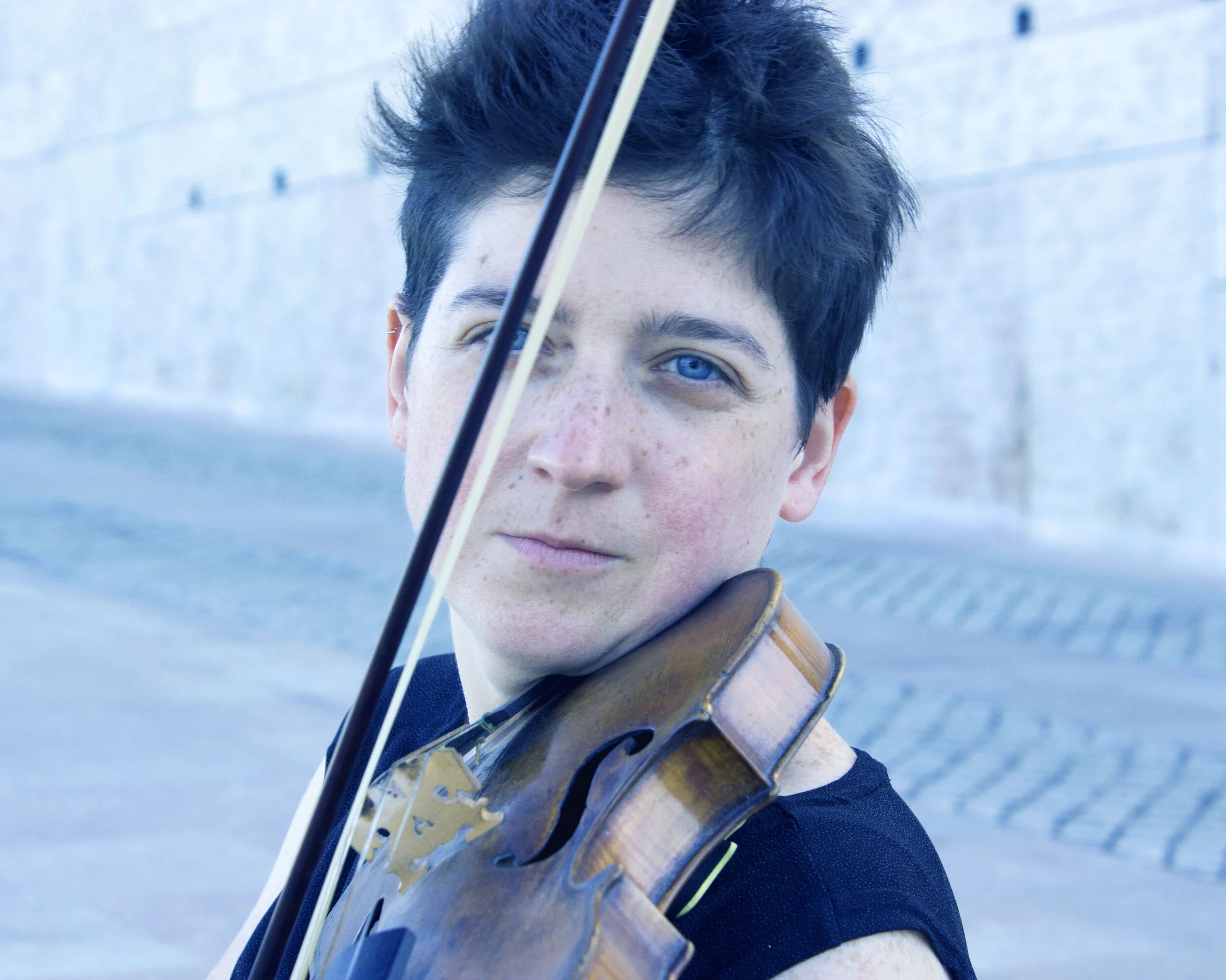
Mystery and Mastery
H.I.F. Biber: Sonata No 3. (1681) in F major
J.P von Westhoff: Campanella
H.I.F. Biber: Annunciation - Mystery Sonata No.1
H.I.F. Biber: Sonata No. 6 (1681) in c minor
Vilsmayr: Partita No. 5
Biber: The Assumption - Mystery Sonata No.13
violin, violone, harpsichord/organ, theorbo
Mystery and Mastery, offers a glimpse into the dazzling and expressive world of 17th-century violin music—a period when the violin was emerging as a solo instrument of unprecedented virtuosity and emotional depth.
Much of the music from this time draws inspiration from the stylus phantasticus—a free, imaginative style known for its dramatic contrasts and inventive spirit, while slowly starting to move toward more structured forms.
At the heart of the program are two contrasting sets of sonatas by the deeply religious violinist Heinrich Ignaz Franz Biber. His devotion is evident in every note of the Mystery (or Rosary) Sonatas, even in his unprecedentedly daring use of scordatura (alternative tunings). Biber draws on religious symbolism and narrative to create a deeply immersive experience equally for performers and listeners. In contrast, Biber’s technically challenging sonata set from 1681, dazzle with virtuosic passages and intricate polyphony, exploring the limits of violin technique.
Alongside Biber, the concert introduces works by Johann Paul von Westhoff, a contemporary of Biber, and Johann Joseph Vilsmayr, Biber’s student. Both violinists are on the same path, exploring the violin’s expressive and technical possibilities, creating music that is both challenging and deeply moving.
You’ll hear the violin as a voice of devotion, storytelling, and brilliance. From the bell-like clarity of Westhoff’s Campanella, to the spiritual drama of Biber’s Annunciation and Assumption sonatas, and the lively dance movements of Vilsmayr’s Partita No. 5, each piece offers a window into a time when the violin was both a vehicle for personal expression and a symbol of mystery, mastery, and devotion.
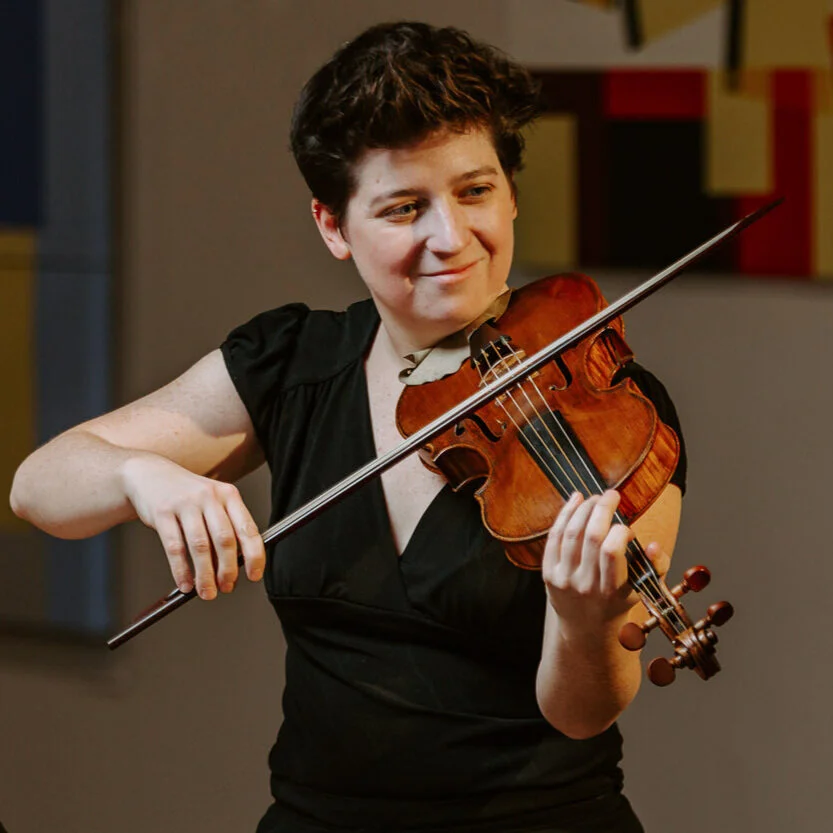
If on a winter’s night
Music includes pieces by Matteis, Westhoff, Mealli, Monteverdi, Buxtehude, Marin Marais, Handel, Merula, Biber, Ysaye
violin, viola da gamba, theorbo or violin and theorbo
The program title is referring to Italo Calvino’s uniquely constructed postmodern novel. The novel consists of ten unfinished novels, including the title book itself. By blending these fragmented narratives, Calvino explores themes of storytelling, the relationship between reader and text. Like Calvino, we invite the listeners to explore new possibilities, while listening to some well-known, but reframed baroque melodies. The narrative of the program moves along an evening of star gazing, falling asleep to the sound of a lullaby, arriving to a magical dream land. But the peaceful sleep later gets disturbed by a really confusing, fragmented nightmare (Ysaye’s Obsession, which uses fragments from Bach’s E major violin Partita), but luckily it’s finishing with the relief of awakening and the promise of a fresh new day.
Much of the program is drawn from sleep-themed vocal music, reimagined and arranged, paired with 17th-century instrumental works, blending operatic expression with chamber intimacy.
To listen to this music, reimagined for a winter’s night, is to be transported into a timeless space where voice and instrument, light and shadow, the earthly and the celestial meet.